
Favorite Porch Railing Components for a Custom and Safe Exterior Space
Browse popular products that help you create a personalized porch railing system with safety in mind.
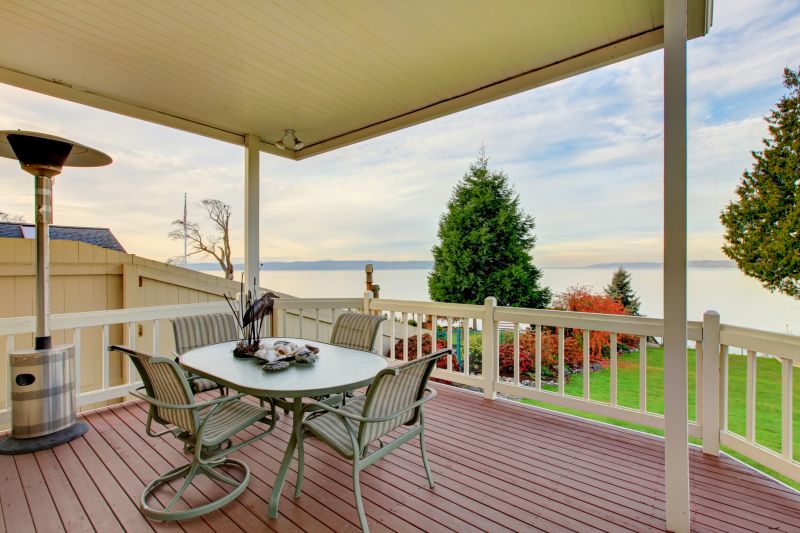 Porch railing installations are essential components of many outdoor living spaces, providing safety, aesthetic appeal, and structural support. When selecting products for porch railings, it is important to consider materials, durability, ease of installation, and compatibility with existing structures. Whether upgrading an existing porch or building a new one, choosing the right components ensures a secure and attractive railing system. There are various options available to suit different architectural styles and personal preferences, from traditional wood to modern metal and composite materials.
Top Overall Option
Versatile Railing Support System
This all-in-one support system offers adjustable brackets, durable mounting hardware, and versatile compatibility with various railing materials. Designed for easy installation and long-term stability, it provides a reliable foundation for porch railings while accommodating different design preferences.
Types of Products For Porch Railing Installations
Wood Post Mounts
Secure wooden posts to porch surfaces with sturdy mounts designed for stability and ease of installation.
Metal Brackets
Heavy-duty metal brackets provide strong support for various railing styles and materials.
Composite Post Caps
Protect and enhance posts with weather-resistant composite caps that add a finished look.
Cable Railing Kits
Modern cable systems offer a sleek, unobstructed view while providing safety and support.
Glass Panel Inserts
Glass panels can be installed within the railing framework to create an open, contemporary appearance.
Post Anchors
Anchors that securely fasten posts to concrete or wood surfaces, ensuring stability.
Baluster Connectors
Hardware used to attach balusters to handrails and posts for a seamless look.
Handrail Brackets
Support brackets designed to hold handrails firmly in place along the porch perimeter.
Fastening Hardware
Nails, screws, and bolts specifically designed for porch railing assembly and secure fastening.
Decorative Finials
Elegant finials that add a finishing touch to posts and newel caps.
Weatherproof Sealants
Sealants and caulks that protect wood and metal components from moisture and weather damage.
Adjustable Post Bases
Bases that allow for height adjustments during installation for a level and secure fit.
Decorative Railings
Pre-fabricated decorative railing sections to enhance aesthetic appeal.
Support Braces
Braces that reinforce the stability of the railing system, especially on longer spans.
Corner Connectors
Hardware that facilitates seamless connections at porch corners and transitions.
Popular Choices
Flexible mounts that adapt to various post sizes and surfaces, popular for DIY projects.
Contemporary cable systems favored for their minimalist look and clear views.
Pre-made metal baluster sets are commonly used for their strength and modern style.
Classic wood post caps are popular for traditional porch aesthetics.
Glass panels are trending for their sleek appearance and unobstructed views.
Low-maintenance composite sections are increasingly favored for durability.
Adding decorative finials and caps remains a popular way to personalize porch railings.
Hardware designed for weather resistance is highly sought after for longevity.
Support braces are frequently used to enhance stability on longer spans.
Connectors that facilitate seamless transitions at porch corners are in demand.
Ready-to-install railing sections are popular for quick and uniform installation.
Anchors that secure posts firmly to various surfaces are commonly used.
Brackets that hold handrails securely are frequently selected for safety and style.
Sealants that protect against weathering are essential for maintaining porch railings.
Finials, caps, and other decorative accents are popular for customization.
The installation process often involves selecting appropriate fasteners, mounting hardware, and support brackets that match the chosen railing material. Proper planning and measurement are critical to ensure a seamless fit and long-lasting performance. Some products are designed to be DIY-friendly, featuring adjustable components and clear instructions, while others may require professional installation for optimal results. Maintenance considerations, such as resistance to weathering and ease of cleaning, also influence product choices.
Safety standards and building codes should always be reviewed before purchasing porch railing components. Ensuring compliance helps avoid potential issues and guarantees that the railing system provides adequate support. Additionally, aesthetic details like finishes, textures, and colors can enhance the overall look of your porch, making it both functional and visually appealing. With a wide array of options on the market, homeowners and contractors can find products that meet their specific needs and design visions.
Ultimately, selecting the right products for porch railing installations involves balancing durability, ease of use, safety, and style. Investing time in research and understanding the different types of materials and hardware will lead to a more satisfying outcome. Whether you prefer traditional wood, sleek metal, or composite materials, there are suitable options available to create a secure and attractive porch environment.
Key Buying Considerations
- Material durability and resistance to weather elements.
- Compatibility with existing porch structures and design styles.
- Ease of installation, especially for DIY projects.
- Compliance with local building codes and safety standards.
- Maintenance requirements and long-term upkeep.
- Weight capacity and support strength for safety.
- Finish options and color choices to match aesthetic preferences.
- Availability of hardware and accessories for complete installation.
- Cost and overall budget constraints.
- Compatibility with different railing styles, such as traditional or modern.
- Adjustability features for uneven surfaces or custom fits.
- Resistance to corrosion, especially in metal components.
- Ease of future repairs or replacements.
- Environmental conditions like exposure to moisture or sun.
- Design flexibility for customized or decorative features.